
Identifying Asbestos in Prairie Homes

When you own a home in Southern or Central Saskatchewan, understanding the risks of asbestos is important. Many older homes, especially those built before the 1980s, may contain asbestos materials. Asbestos was widely used because it is fire-resistant and durable. But today, we know it can be dangerous if disturbed. That’s why identifying asbestos in prairie homes is a key step to keeping your family safe.
What Is Asbestos and Why Should You Care About It in Prairie Homes?
Asbestos is a natural mineral fiber that was used in building materials for decades. It was popular because it resists heat, fire, and chemicals. You might find asbestos in insulation, floor tiles, ceiling tiles, roofing, and even in some textured paints.
The problem is asbestos fibers are tiny and can become airborne when materials are damaged or disturbed. Breathing in these fibers can cause serious health issues, including lung diseases and cancer. This is why knowing how to spot asbestos in your home is so important.
Older prairie homes often have asbestos in places you might not expect. If you plan renovations or repairs, identifying asbestos first can prevent accidental exposure.
How to Spot Asbestos in Prairie Homes
Identifying asbestos isn’t always easy because it looks like many other materials. Here are some common places to check:
Insulation: Around pipes, boilers, and furnaces. Asbestos insulation often looks like a white or gray fibrous material.
Flooring: Vinyl floor tiles and the backing on vinyl sheet flooring may contain asbestos.
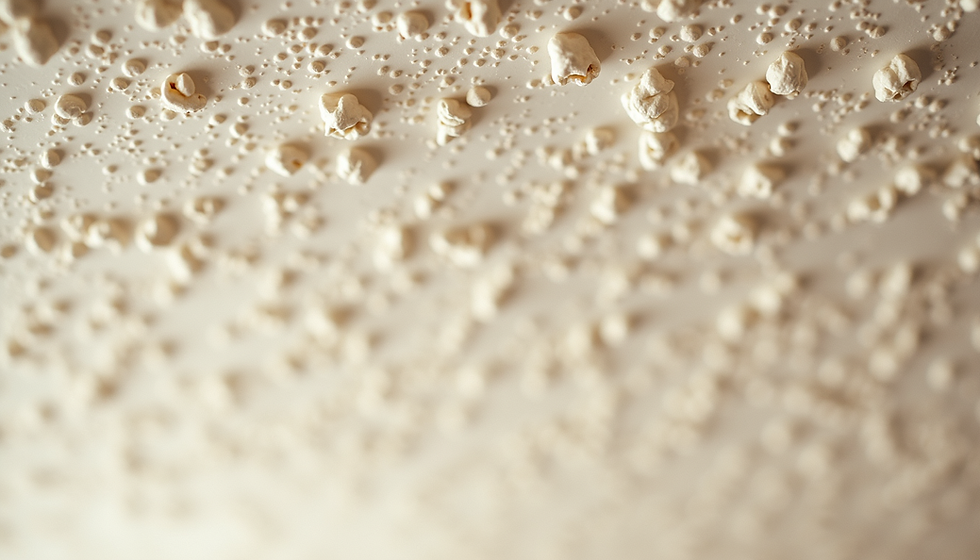
Ceiling Tiles and Textured Paint: Some popcorn ceilings and textured paints used before the 1980s contain asbestos.
Roofing and Siding: Asbestos cement shingles and siding were common in prairie homes.
Wallboard and Joint Compound: Some drywall and plaster materials include asbestos.
If you see materials that look old, crumbly, or fibrous, it’s best to be cautious. Do not try to remove or disturb these materials yourself.

What to Do If You Suspect Asbestos in Your Home
If you think your home has asbestos, the safest step is to call a professional for testing. Trying to identify or remove asbestos yourself can be risky. Professionals have the right tools and training to handle asbestos safely.
Here’s what you can expect from a professional asbestos inspection:
Visual Inspection: The expert will look for materials that may contain asbestos.
Sample Collection: Small samples are taken carefully to avoid releasing fibers.
Laboratory Testing: Samples are sent to a lab to confirm if asbestos is present.
Report and Recommendations: You’ll get a clear report explaining the findings and what to do next.
If asbestos is found, removal or management will depend on the condition and location of the material. Sometimes, it’s safer to leave asbestos undisturbed and monitor it regularly.
Why Professional Help Matters for Prairie Asbestos
When dealing with asbestos, trust is key. You want a team that understands the unique challenges of homes in Southern and Central Saskatchewan. That’s why I recommend working with experts who specialize in prairie asbestos. They know the common materials used in this region and the best ways to handle them safely.
Professionals also provide honest pricing and clear communication. You should never feel confused or pressured. Instead, you get straightforward advice and reliable service.
Protecting Your Home and Family from Asbestos Risks
Once you know where asbestos is in your home, you can take steps to protect your family:
Do Not Disturb: Avoid drilling, sanding, or breaking materials that may contain asbestos.
Regular Inspections: Have asbestos materials checked regularly by professionals.
Safe Renovations: Always inform contractors about asbestos before starting work.
Proper Removal: If removal is necessary, hire licensed asbestos removal experts.
Remember, asbestos is only dangerous when fibers become airborne. If materials are in good condition and left undisturbed, they usually do not pose a risk.
Taking these precautions helps keep your home safe and your mind at ease.
Taking the Next Step with Confidence
Identifying asbestos in prairie homes is the first step toward a safer living environment. If you suspect asbestos in your home, don’t wait. Reach out to trusted professionals who can test and manage asbestos safely.
By acting early, you protect your family and your investment. Remember, clear communication and honest pricing are your rights when dealing with asbestos experts. You deserve reliable service that respects your home and your health.
For more information or to schedule an inspection, consider contacting specialists familiar with prairie asbestos. They understand the unique needs of homes in Southern and Central Saskatchewan and can guide you every step of the way.
Stay safe and informed - your home is worth it.


Comments